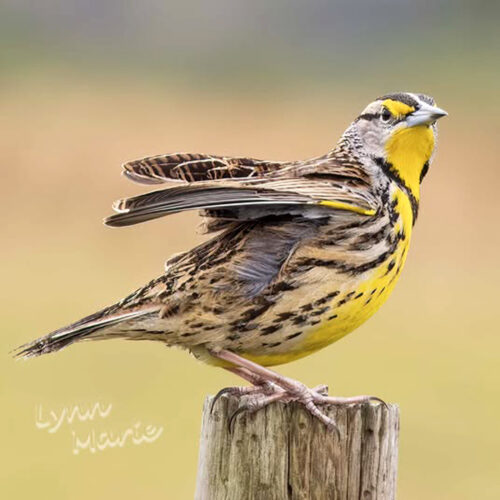
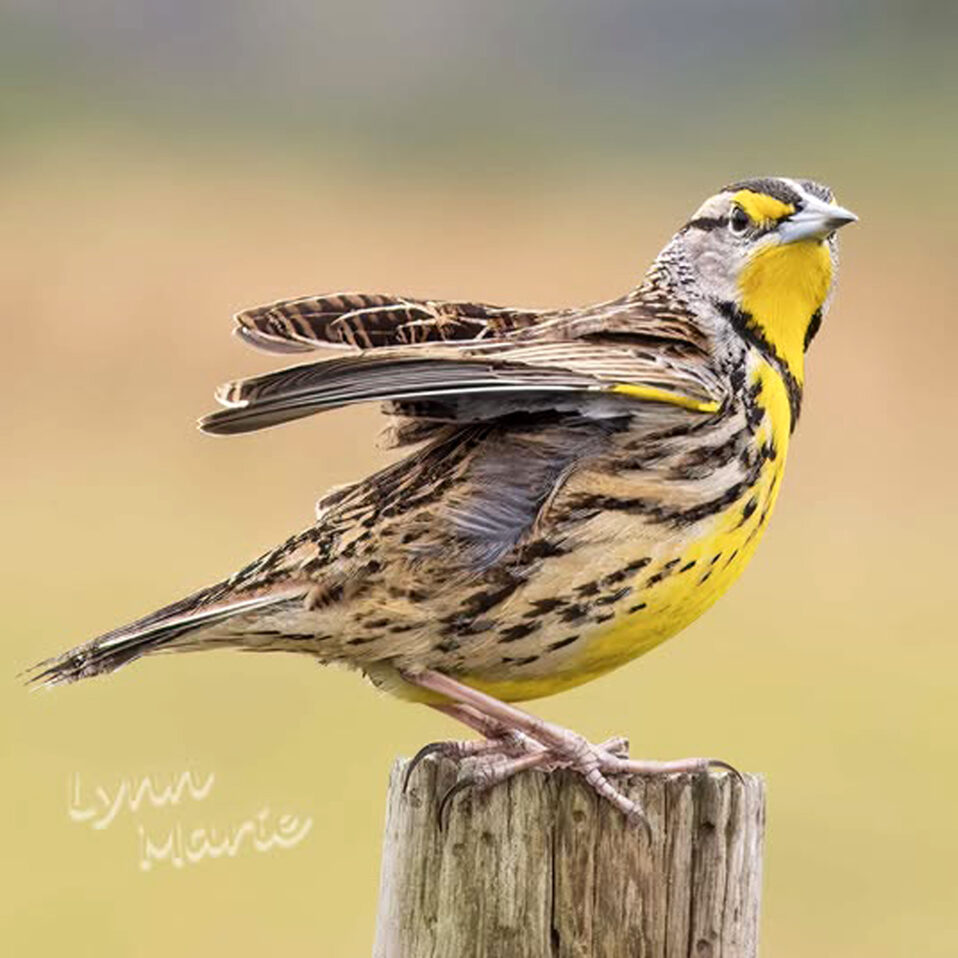
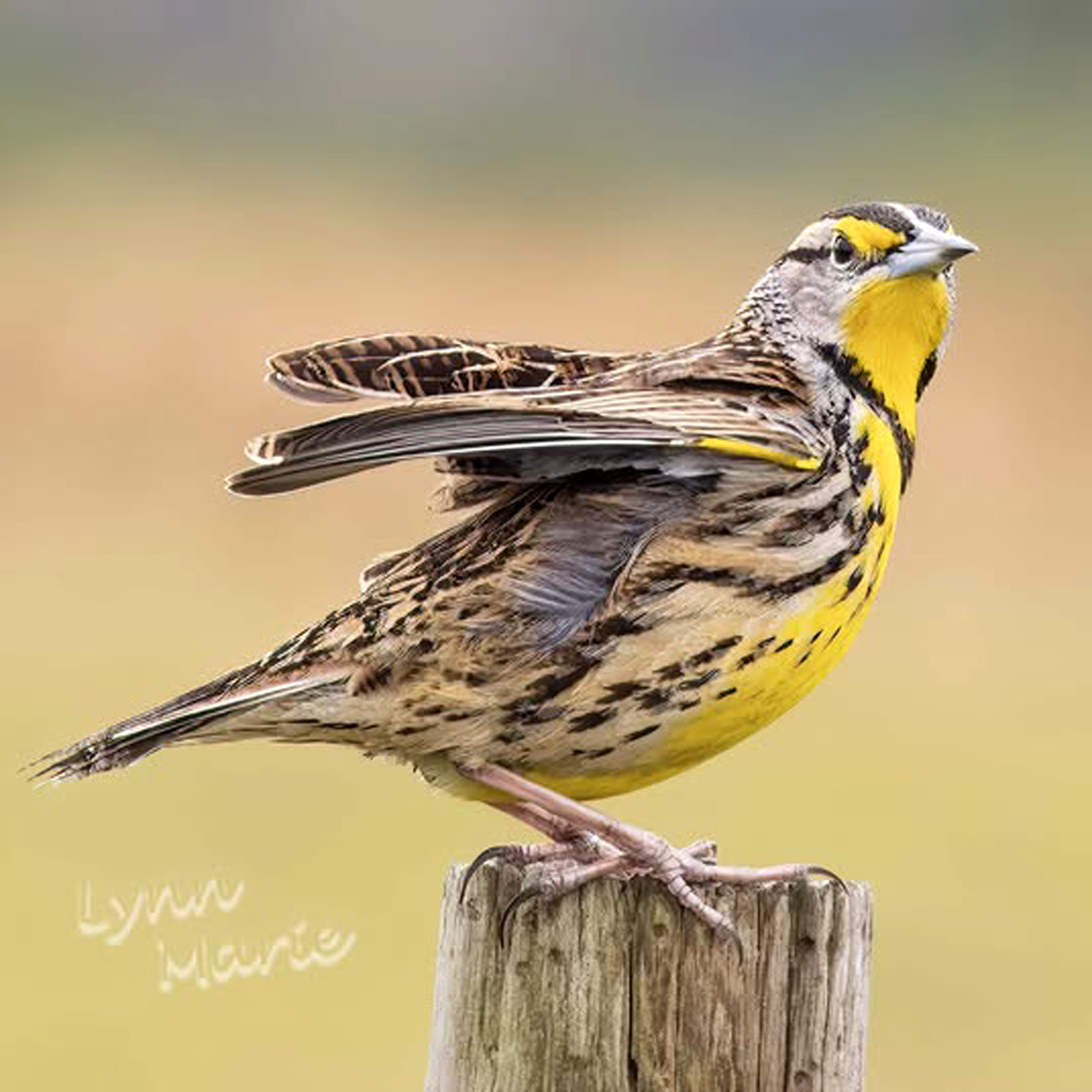
The Eastern Meadowlark (Sturnella magna) is a striking grassland bird known for its bright yellow chest, bold black V-shaped markings, and enchanting flutelike song. These medium-sized songbirds thrive in open fields, prairies, and farmlands, where they walk gracefully through tall grasses, often unseen.
During breeding season, males perch on fenceposts and utility lines to sing their rich, melodic tunes, attracting mates and defending their territory. A single male typically has two mates at a time. Females craft well-hidden nests on the ground, often in depressions or hoof prints, laying 2 to 7 eggs per brood and 2 broods per year.
Eastern Meadowlarks face significant population declines, with numbers dropping 75% since 1966 due to habitat loss. The conversion of family farms and prairies into large agricultural fields, early mowing, overgrazing, and pesticide use threaten their survival. Conservation efforts, such as maintaining grassy habitats and responsible land management, are essential to preserving this beautiful songbird for future generations.
Keep an ear out for their sweet, whistling calls, and if you spot one, know you are witnessing a disappearing treasure of North America’s grasslands.
Photo Credit: Lynn Marie
Like this:
Like Loading...

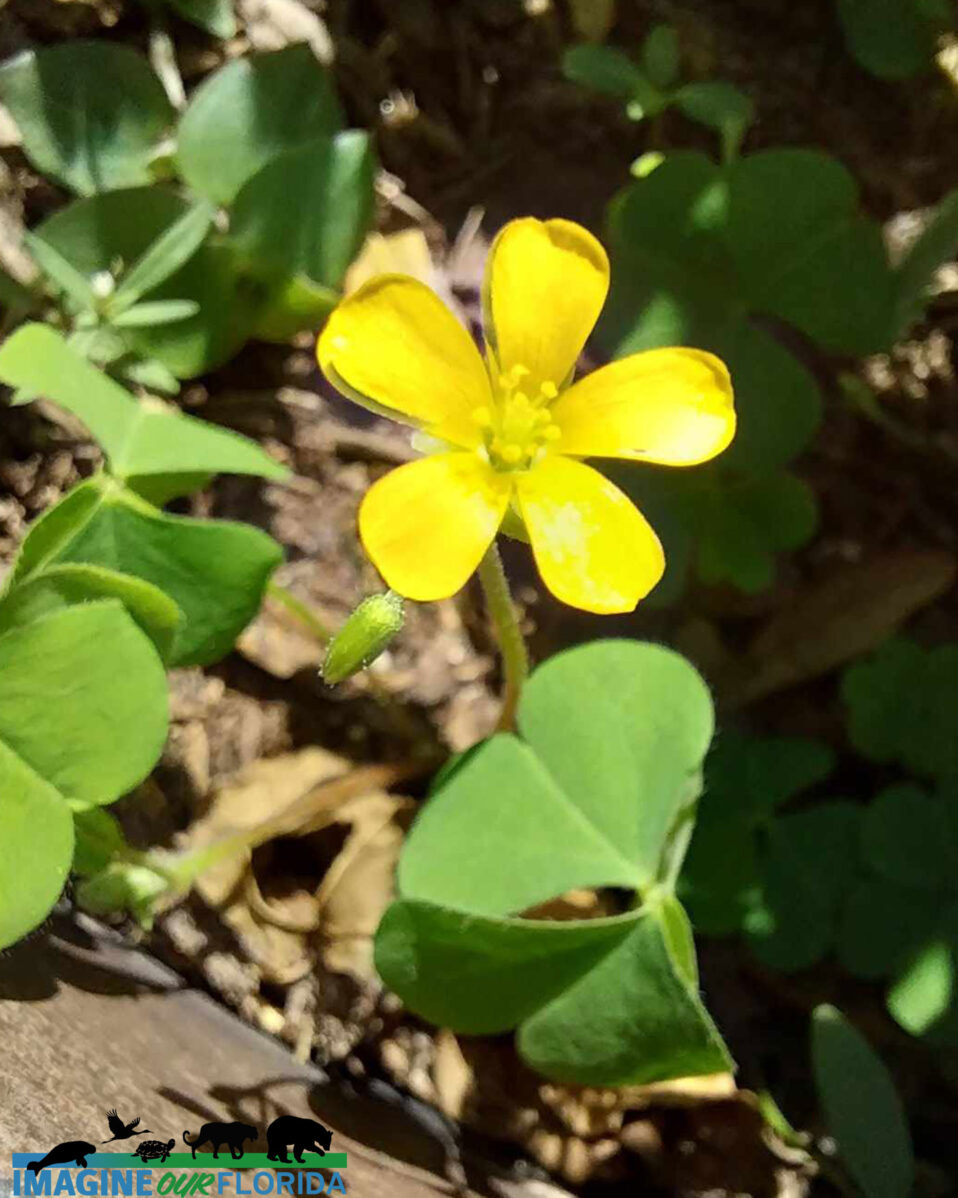
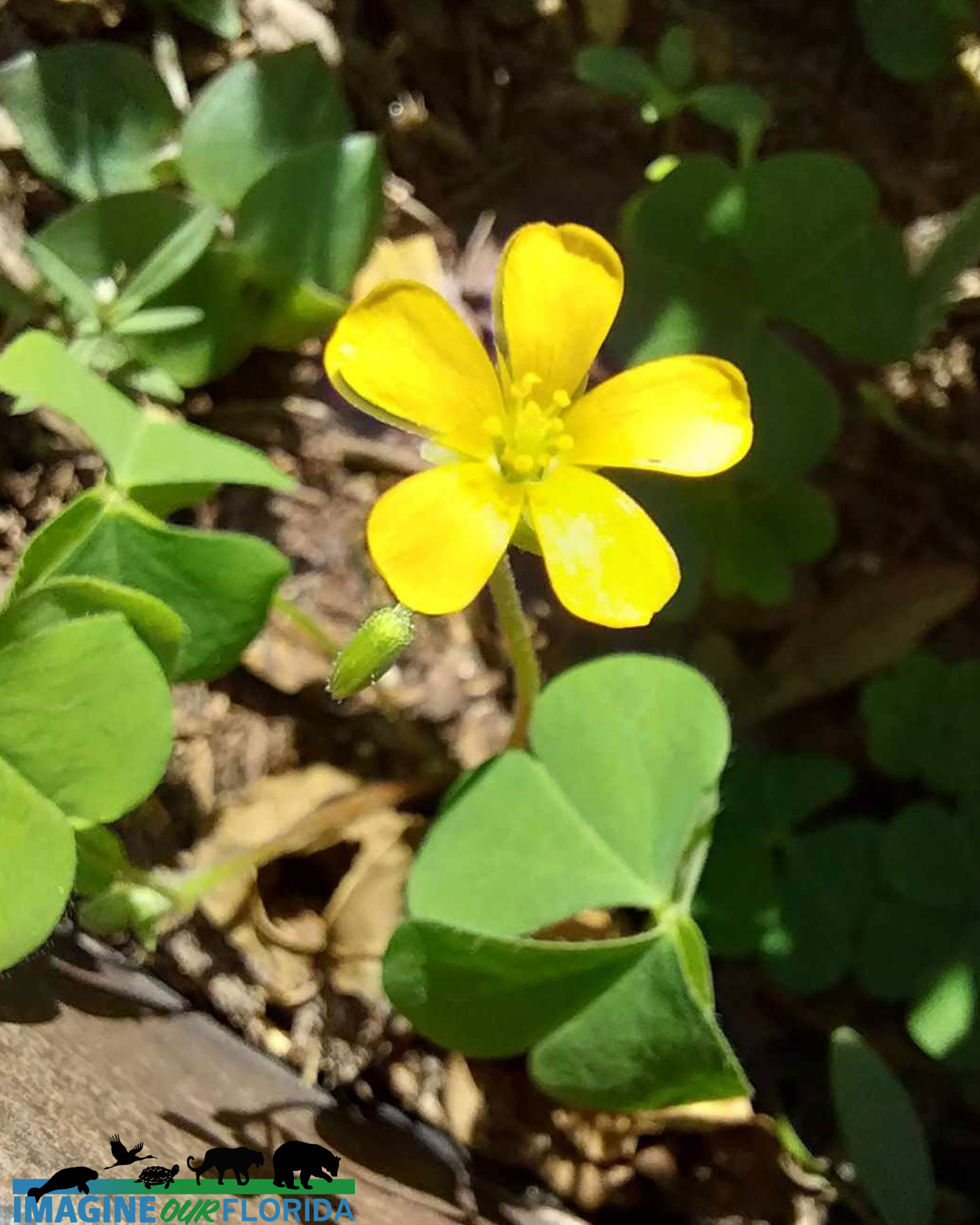 Although sometimes labeled a weed, its low-growing, spreading habit makes it an excellent, low-maintenance ground cover. It thrives in various conditions and can even be grown in containers as a potherb. Creeping woodsorrel is a resilient plant with real ecological value.
Recent Comments